
Bridging Health Care Digital Divides with Digital Health Navigators
Explore how The MetroHealth System, in Columbus, integrates digital navigator services into patient care to bridge digital health disparities, including digital literacy education and access to affordable internet.
The target population for this project includes hard-to-reach patients lacking digital access or those reluctant to engage with digital health tools. MetroHealth’s toolkit for success has been a long-term cross-sector and multi-disciplinary collaboration among federal, state, and local government; non-profit sector and philanthropy; health care analytics; and operations, clinical informatics, and academia.
This session will offer leader and funder insights, digital navigator and patient points of view, advanced analytics, actionable recommendations, and a glimpse into the future as more health and health-related services continue to move into digital self-service modalities.
Learning Objectives:
- Use electronic health data to understand the impacts of the digital divide on the patient population.
- Converge academic methodology and health care operational data to integrate a digital navigator into the environment of care.
- Hear high-impact stories, insights, and perspectives from the front line of service delivery.
Presenters:

Marielee Santiago-Rodriguez, MSW, LSW, MPH
Director, Education & Training/Opportunity Centers
The MetroHealth System
Katrina Dubovikova, MPA
Change Management and Process Improvement
The MetroHealth System
Building Coordinated Care Hubs to Transform Behavioral Health Outcomes: A Model for Whole-Person Health
Certified Community Behavioral Health Clinics (CCBHCs) integrate medical, behavioral, and social supports to address complex needs. At Memorial Healthcare System, care coordination hubs connect patients and families with housing, food, transportation, and trauma supports alongside treatment. The adult hub engages patients post-discharge with ongoing stabilization, while the pediatric hub provides 6–8 weeks of family-centered care at Joe DiMaggio Children’s Hospital. Dialectical behavioral therapy multi-family groups and eye movement desensitization and reprocessing therapy improve engagement, trauma recovery, and outcomes. The model reduced readmissions by 30%, saved $7 million annually, and shifted care toward relationships that honor the whole person and build long-term health.
Learning Objectives:
- Learn how to design care coordination hubs that move beyond medical treatment to address patients’ real-life challenges and strengths, fostering whole-person and family-centered care.
- Apply strategies for embedding structured processes and leveraging electronic health record data to coordinate behavioral, physical, and social supports in sustainable ways. Describe practical approaches for building trust with patients and families, strengthening community partnerships, and achieving both improved health outcomes and cost savings.
- Learn how to apply evidence-based practices within a CCBHC setting and how it effectively addresses the complex needs of community behavioral health populations, promotes recovery, and supports sustainable clinic operations.
Presenters:
Melina Rodriguez, PhD, LMHC, CCTP
Project Director-CCBHC
Memorial Healthcare System
Cardiac Equity Through Bilingual Support Group
What happens when a hospital creates a safe space where vulnerable heart patients and their families can connect, share experiences without fear, ask questions, and learn from each other? At a county safety-net hospital, many heart failure and acute myocardial infarction patients, especially Spanish-speaking individuals, faced language gaps, financial hardship, and limited resources after discharge. To bridge this divide, Harris Health launched the Heart-to-Heart Support Group through a multidisciplinary effort in partnership with community organizations. This bilingual, provider-led program blends medical expertise with community connection. Each monthly session provides medical counseling, lifestyle education, and practical supports such as waived parking, home-monitoring devices, and resource linkage. This equity-driven, low-cost, scalable model empowers patients, reduces disparities, and sustains improved outcomes.
Acute myocardial infarction (AMI) readmissions remain a costly and preventable challenge, particularly in safety-net hospitals serving uninsured and underinsured patients. This session showcases Harris Health’s innovative approach to transforming AMI care transitions through multidisciplinary collaboration and equity-driven bundle of care solutions.
Attendees will learn how a newly developed discharge checklist, Epic-based follow-up scheduling, bedside education, expanded Meds-to-Bed program, and structured follow-up calls cut readmissions by more than half and sustained improvements for nearly two years. The program also launched a bilingual Heart-to-Heart support group, giving patients a safe space to share experiences, ask questions, and access resources. Participants will take away practical strategies to integrate clinical, social, and community supports that improve outcomes and reduce disparities in vulnerable populations.
Learning Objectives:
- Understand how implementing culturally and linguistically tailored support groups can reduce barriers to care, improve patient confidence, and enhance adherence among underserved populations.
- Discover how leveraging interdisciplinary collaboration, including nursing, pharmacy, case management, dietary, and spiritual care creates a holistic support system that addresses both medical and social determinants of health.
- Learn how embedding low-cost, sustainable initiatives such as peer support and bilingual education into existing hospital programs can advance equity, reduce disparities, and improve long-term outcomes for patients.
- Learn how a bundle of care combining discharge checklists, education, Meds-to-Beds, and timely follow-up creates measurable, sustained reductions in AMI readmissions.
- Understand how addressing cost, access, and literacy barriers in a safety-net system advances health equity and reduces disparities.
- Discover how bilingual teaching, structured follow-up calls, and a patient support group strengthen confidence, medication adherence, and continuity of care.
Presenters:

Sini V. Eapen, DNP, MSN, APRN, ACNPC-AG, AGACNP-BC, CLSSBB, CCRN, CMC, AACC
Program Manager-Chest Pain Program
Harris Health System

Vanessa Garcia, MSN, RN, CHFN, PCCN
Clinical Resource Nurse
Ben Taub General Hospital
Ana Davis, MSN, FNP-C, CCRN, CVR I & II, NEA-BC
Director of Nursing
Ben Taub General Hospital
Development and Implementation of an AI-Enabled Workflow in a Safety Net Health System: Lung Cancer as a Use Case
Closing care gaps for high-risk conditions where timely diagnosis and coordinated treatment determine outcomes is challenging. Artificial intelligence (AI) offers opportunities to identify eligible patients and streamline complex pathways. We will describe the development, implementation, and outcomes of an AI-enabled workflow optimization platform with lung cancer as the use case.
Learning Objectives:
- Learn about creation and implementation of a dedicated pulmonary nodule clinic in a large health care setting. This clinic is directed by an interventional pulmonology physician and staffed by pulmonologists and advanced practice providers, one of whom doubles up as a navigator ensuring patients are triaged appropriately. This clinic can see 1200 patients per year.
- Learn that successful AI implementation requires systems thinking, which may require workflow redesign and alignment with clinical capacity.
- Learn that the AI platform may be adapted to other high-risk conditions requiring rapid detection, triage, and coordinated intervention across service lines.
Presenters:
Paras M Patel, MD
Medical Director Interventional Pulmonology
JPS Health Network
Employee Prediabetes Screening, Engagement, and Weight Loss in Virtual Synchronous Diabetes Prevention Program
Learn the value of providing an effective and engaging Diabetes Prevention Program (DPP) for employees, their families, and patients in an essential health care system. We share the results of a practical pilot implementing a DPP for employees designed to be flexible and effective for working adults. The high levels of enrollment and attendance resulted in weight loss and completion rates that exceeded CDC standards. The pilot results led to long-term coverage of this high value program for health system employees and families. Reducing diabetes will improve employee health and reduce health costs and burdens for employees of essential health systems.
Learning Objectives:
- Diabetes Prevention Programs (DPPs) can be offered in-person, synchronous virtual, and asynchronous virtual formats. Enrollment and retention can be challenging for this year-long program. Employees offered a synchronous DPP benefit with flexible attendance options each week have had high enrollment and retention. Attendance, activity minutes, and weight loss all exceeded CDC program quality standards.
- The development of diabetes typically doubles health care cost. As 85% of adults with prediabetes have obesity, DPP is a high-value resource that can reduce the risk for diabetes by more than 50% and improve obesity management in working adults. If structured as a covered and feasibly synchronous flexibly accessible benefit, many employees can effectively participate and benefit.
- The development of diabetes typically doubles health care costs and the employee wellness programs and benefits programs can provide key access and awareness, and connection to high value programs like DPP for screening and outreach and enrollment in these effective programs.
Presenters:
Janeen L Leon, MS, RDN, LD
STRIDES Diabetes Prevention Program, Manager
The MetroHealth System
Mr. Ryan D. Johnson, MBA, MS
Vice President, Business Operations and Insights
The MetroHealth System
Enabling Value Based Care in a Heightened Federal Accountability Environment
Recent federal policy and legislative changes, as well as fiscal pressures, are accelerating expectations for Medicaid accountability, transparency, and performance. As states and payers respond, hospitals increasingly are asked to operate under value based payment structures, enhanced reporting requirements, or new financial accountability frameworks, often without clear or consistent models.
Discover the core capabilities hospitals need to prepare for value based care and related accountability demands, regardless of how payment models ultimately take shape. Drawing on real world hospital experience, including a recent multi hospital effort in Georgia, the discussion will emphasize practical readiness over policy theory.
Foundations of Essential Hospital Financing
Medicaid provides critical funding for essential hospitals. The joint role of the federal government and states in defining how Medicaid pays providers, and the funding of those payments, creates both opportunities and tremendous complexity. This session will describe the fundamentals of the federal, state, and local roles in Medicaid funding and payments.
Presenter:

Sarah Mutinsky, JD, MPH
Principal
Eyman Partners, LLC
Hospital Advocacy: Everyone at the Table
In today’s rapidly evolving federal policy environment, decisions made in Washington directly shape access to care, hospital funding, and the ability to serve vulnerable communities across Arizona. From changes to Medicaid and Medicare to shifting reimbursement and regulatory requirements, these dynamics affect every part of a hospital’s mission. Advocacy is no longer limited to a single department or role. It is a shared responsibility that requires engagement from leadership, front-line staff, communications teams, and community partners alike.
This session highlights how collective advocacy works in practice by bringing together storytelling, data, and strategic coordination to amplify impact. Speakers from Arizona’s essential hospitals will demonstrate how alignment around shared priorities and consistent messaging strengthens outreach to policymakers. Participants will learn how everyday experiences, local and national data, and patient and community stories can combine to translate complex policy issues into compelling, human-centered narratives.
A central theme is empowerment and customization. Every hospital and every role has a unique perspective that can contribute to advocacy efforts while remaining aligned with broader coalition goals. Attendees will gain practical, immediately usable strategies such as identifying high-impact stories, engaging internal teams as advocacy ambassadors, leveraging partnerships, and focusing on policy issues with the greatest potential impact.
By uniting data, narrative, and collaboration, health care organizations can move from reactive responses to proactive engagement. This session equips participants with tools to help ensure that collective voices, across departments and institutions, drive meaningful policy outcomes and advance healthier communities.
Learning Objectives:
- Use data to drive engagement. Collect, analyze, and share local and national data to make your advocacy more compelling. Evidence strengthens your story and motivates action from policymakers.
- Collaborate to reinforce your message. Partner with other hospitals, associations, and stakeholders to amplify your voice. Coordinated messaging ensures consistency and increases credibility.
- Identify stories to amplify impact. Highlight real patient or community stories that illustrate your key issues. Personal narratives create emotional resonance and make policy needs tangible.
Presenters:
Ms. Julia Strange, n/a
Vice President, External Affairs and Brand
TMC Health
Warren Whitney, n/a
Senior Vice President
Valleywise Health
Hospital-Owned Mobile Integrated Health: Congestive Heart Failure Quality Improvement Project
Learn how UNMH Hospital successfully implemented a hospital-based and -funded mobile integrated health project with decreased readmissions, saved bed days cost savings, and improved patient health.
Learning Objectives:
- Learn about mobile integrated health/community paramedicine.
- Learn about a successful mobile integrated health program focusing on a single population.
- Learn about cost savings and return on investment as a way to support a program.
Presenter:
Dr. Amanda Medoro, MD
Medical Director UNMH transfer center, Care Mgmt, Mobile Integrated Health, Patient Experience, Asso
UNM Health System
Integrating Community Insight into Health System Strategy: The Central Health Policy Council Model
Discover how the Policy Council at Central Health, in Austin, Texas, bridges the gap between community insight and health system strategy. This session explores a proven, volunteer-driven model for integrating resident leadership into public health decision-making. This model has resulted in measurable improvements across access, inclusion, and outcomes. Learn how authentic collaboration can strengthen system performance and inspire innovation across essential hospitals.
Learning Objectives:
- Learn how to design and sustain a volunteer-driven, community-led coalition that effectively collaborates with a public health system to influence policy and operational priorities.
- Apply strategies for integrating community insight into health system planning through structured feedback, transparent governance, and cross-sector partnerships.
- Understand how to measure and communicate the impact of community-integrated initiatives, such as the HIV Opt-Out campaign, Healthcare Equality Index, and Food Is Medicine efforts, to demonstrate tangible improvements in population health.
Presenters:
Monica Crowley, JD
EVP, Chief Strategy Officer & Senior Counsel
Central Health
Pat Lee, MD
President & Chief Executive Officer
Central Health
Megan Cermak
Central Health
Late-Breaking Session
Late-Breaking Session
Late-Breaking Session
Leveraging Hospital–Community Partnerships to Improve Opioid Recovery and Population Health in South Texas
Opioid use disorder remains one of Texas’ most pressing public health challenges. This session highlights how University Health, in San Antonio, leveraged federal funding to launch the Opioid Treatment and Recovery Services (OTRS) program. This integrated, hospital-led model provides methadone and buprenorphine treatment, counseling, and social-support coordination. Participants will explore outcomes demonstrating significant improvements in abstinence, mental health, and unmet needs, and learn practical strategies for cross-sector collaboration, prescriber training, and population-level impact. Discover how essential hospitals can bridge clinical care and community systems to create sustainable, equitable pathways for recovery.
Learning Objectives:
- Understand how hospital-led, community-integrated models like OTRS improve recovery outcomes while addressing social determinants of health, creating measurable value for both patients and the health system.
- Explore practical strategies to engage local prescribers, expand access to evidence-based medications, and foster partnerships that extend the reach of hospital care into the community.
- Learn how to use adaptable evaluation tools, such as the Government Performance and Results Act and Health-Related Quality of Life, to measure outcomes, demonstrate program effectiveness, and build the case for continued funding and systemwide adoption.
Presenter:
Adrienne D. Carrera Henze, MS, DrPH Student
Assistant Director, Community Initiatives & Project Director, Opioid Treatment & Recovery Services
University Health System
Leveraging Managed Care Protocols and Clinical Analytics to Understand and Manage the Cost of the Uninsured
In partnership with the University of New Mexico Hospital (UNMH), SydCura Health Solutions, a division of Community Care Plan, implemented an innovative approach to address the complex challenge of caring for uninsured populations. Using SydCura’s advanced analytic dashboards, UNMH can now measure and understand the true clinical and financial cost of serving uninsured patients. These dashboards translate raw clinical and claims data into actionable insights, empowering leaders to identify cost drivers, care gaps, and utilization trends.
This session will highlight the partnership model, showcase dashboard examples, and present early results demonstrating how technology-enabled managed care strategies can help hospitals filling a safety net role manage the financial sustainability of caring for uninsured populations—while continuing to advance health equity and access.
Learning Objectives:
- Learn how raw clinical and claims data can be translated into actionable insights.
- Learn how to measure and understand the true clinical and financial cost of serving uninsured patients.
- Use analytic tools to reduce and eliminate duplication of services.
Presenters:
Lupe Rivero
SVP and Chief Partnership Officer
Community Care Plan
Making Mental Health Everyone’s Business: Aligning Mental Health with Hospital Enterprise-wide Care Goals to Improve Outcomes
What if mental health could strengthen—not strain—your hospital’s performance? WakeMed Health & Hospitals proved it can. By declaring mental health a systemwide priority, not a side service, WakeMed launched a bold transformation grounded in deliberate sequencing, strategic partnerships, and data-driven improvement. The results: emergency department boarding decreased 70%, consult turnaround decreased from three days to five hours, avoidable bed days decreased more than 70%, and a financially sustainable 28-bed inpatient psychiatric unit. This session will equip attendees to align people, processes, and technology; apply proven quality-improvement frameworks; and design a scalable model where mental health drives operational excellence, improves outcomes, and rebuilds community trust.
Learning Objectives:
- Describe benefits of elevating mental health from a siloed service to a systemwide strategic priority—and why visible executive leadership and cultural alignment are essential to making this transformation sustainable.
- Explore opportunities to align people, processes, and technology using a structured quality-improvement framework that includes Plan-Do-Study-Act cycles, dashboards, and data-driven decision-making to improve mental health access and outcomes.
- Demonstrate how sequencing operational changes and building strategic partnerships can expand capacity, enhance financial sustainability, and prove that mental health doesn't have to be a money-losing proposition.
Presenters:
Dr. Micah Krempasky, MD
Chief Medical Officer
WakeMed
Dr. Seth Brody, MD
EVP, Chief Physician Executive
WakeMed
Medicaid Community Engagement Requirements: Lessons from Nebraska’s Early Implementation
Learn from a Nebraska Medicine expert about the hospital’s successes and challenges implementing new community engagement requirements added by the Working Families Tax Cut legislation for the Medicaid expansion population.
Presenter:
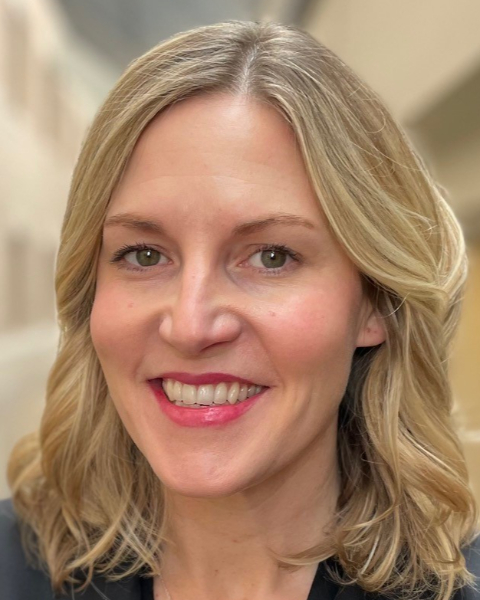
Tiffany Joekel
Nebraska Medicine
Reducing Social Care Gaps to Transform Health Outcomes
Discover how MUSC Health is redefining the link between medical and social care through a systemwide social drivers of health (SDOH) initiative that’s transforming outcomes across South Carolina. Born from a powerful partnership among patients, families, and community organizations, this program embeds SDOH screening and community health workers into every care setting—from primary care to the emergency department.
Learn how the team built sustainable infrastructure, leveraged value-based care models, and achieved measurable impacts, including a 45% reduction in high-risk social needs, 59% improvement in clinical measures, and over 1,000 avoidable hospital admissions prevented annually. This session offers a road map for integrating social care into clinical practice to advance equity, improve outcomes, and sustain impact statewide.
Learning Objectives:
- Learn how to design and scale a sustainable SDOH strategy by embedding screening and community health workers into routine clinical workflows across multiple care settings.
- Apply proven methods to build effective partnerships with community-based organizations and patients that strengthen trust, streamline referrals, and ensure closed-loop communication between health care and social services.
- Demonstrate how to measure and communicate impact using real-world data to show reductions in high-risk social needs, improved biometric outcomes, and decreased preventable hospitalizations, all to sustain leadership support and funding.
Presenter:
Dr. Elizabeth Crabtree, PhD, MPH
Administrator, Population Health/Affiliate Assistant Professor, Dept of Public Health Sciences
The Medical University of South Carolina
Renewing Medical Staff Peer Review: Embracing Culture Change and a Growth Mindset
Historically cloaked in mystery, medical staff peer review has inspired anxiety in providers and leaders alike. Join UNM Hospital leaders in reviewing their journey from heterogeneous, siloed, non-standard peer review to a process-driven, progressive multidisciplinary peer review model. Using this evolving model, they are gradually changing the culture of how we look at patient outcomes through the professional practice lens. One case at a time, they are moving the needle from a shame and blame culture, focused on provider actions in a vacuum, to a culture of self-reflection and growth in the context of a complex, imperfect system. Learn how they’ve incorporated bias awareness and education and adapted processes and policies by soliciting feedback from medical staff and leadership.
Learning Objectives:
- Learn how a large academic and safety net hospital transitioned from heterogeneous, nonstandardized peer review to a centralized and standardized, process-driven system for medical staff peer review.
- Learn how the multidisciplinary peer review committee has evolved over four years based on feedback from medical staff and lessons learned from administrative staff.
- Apply and adapt some of the processes for case review in your own institutions, such as adding a peer review manual and bias training for reviewers.
Presenters:
Noelle Borders, DNP, CNM
Director, Professional Practice Excellence
UNM Hospital
Rohini McKee, MD, MPH, FACS, FASCRS
Chief Quality and Safety Officer
UNM Health System
The Most Dangerous Gap in Health Care Isn’t Always Clinical – Bridging Governance with Data Driven Operations to Improve Patient Outcomes
Health systems pursuing value‑based care continue to struggle with fragmented governance and operational structures. These challenges limit progress toward equitable, system‑level outcomes. This session demonstrates how aligning board oversight with front-line priorities can transform siloed initiatives into coordinated strategies that drive measurable improvement.
Using two organizational examples—the deployment of an Index of Disparity and implementation of an inpatient social determinants of health screening protocol—we illustrate how governance stewardship, cross‑disciplinary collaboration, and real‑time data tools strengthen decision‑making and support targeted interventions. Early results show reductions in readmissions and improved patient experience when social needs are identified and addressed. Attendees will gain practical strategies for bridging silos, leveraging data for equity, and advancing unified population health goals.
Learning Objectives:
- Learn how to use a standardized disparity index to effectively identify gaps in clinical and quality outcomes across patient demographics to target interventions where they're most needed.
- Understand how leveraging a disparity index can enhance statistical analysis to uncover the underlying factors preventing certain groups from achieving their goals.
- Explore how these processes can inform policies and procedures that support the development of efficient interventions to close care gaps.
Presenters:
Mr. Kevin Chagin, MS
Dir. Population Health Data and Analytics
The MetroHealth System
Nabil Chehade, MD, MS
Sr. Executive Vice President, Chief Clinical Transformation, Innovation and Strategy Officer, Executive Advisor to the CEO
The MetroHealth System
Matthew Kaufmann
The MetroHealth System