
Learning Objectives
Learn how to design care coordination hubs that move beyond medical treatment to address patients’ real-life challenges and strengths, fostering whole-person and family-centered care.
Speakers
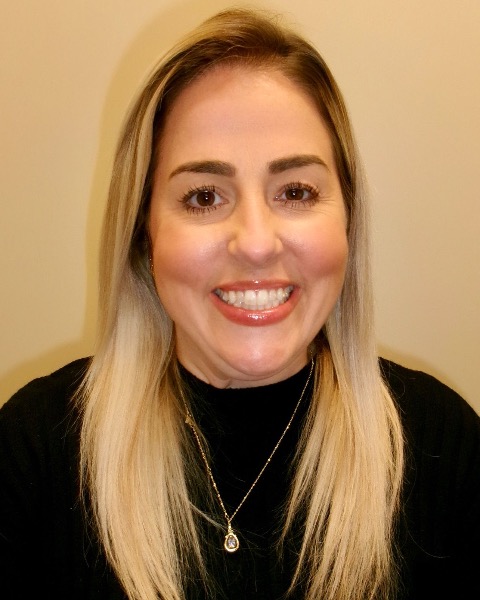
Dr. Melina Rodriguez, PhD, LMHC
Melina Rodriguez, LMHC, PhD, is Project Director for the Certified Community Behavioral Health Clinic (CCBHC) at Memorial Healthcare System. She earned her doctorate in Marriage and Family Therapy from Nova Southeastern University and specializes in behavioral health program development, care coordination, and family-centered treatment. Dr. Rodriguez has led transformative initiatives to expand access and improve outcomes for vulnerable populations. She implemented a comprehensive care coordination program within outpatient behavioral health services that helped launch a specialized adolescent program serving youth ages 14–17. She also leads the Mothers in Recovery program, which has supported over 300 women in delivering substance-free babies, significantly improving maternal and infant health outcomes. Her work reflects a strong commitment to integrated, compassionate care models that strengthen families, empower women in recovery, and create lasting impact across diverse communities.
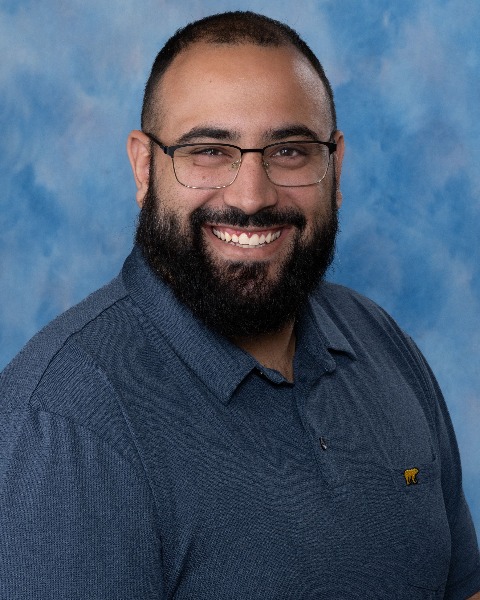
Andres E. Gonzalez, MPH
Andres Gonzalez, MPH serves as a Data Quality Manager at Memorial Healthcare System, specializing in healthcare data management and regulatory compliance. He collaborates with interdisciplinary teams, evaluates clinical performance metrics, and supports accreditation and regulatory surveys, including those conducted by The Joint Commission. As a certified Lean Six Sigma Green Belt, Andres applies data-driven methodologies to strengthen quality outcomes, improve operational performance, and advance patient-centered care.